SME finance can affect how quickly your business grows, hires, invests, and responds to opportunities. When funding arrives at the right moment, you can move forward with confidence.
Lovey analysed how 504 UK SMEs accessed finance during 2025 and what to expect in 2026. The findings show a clear pattern. Businesses remain focused on growth, yet financial pressure continues to affect how and when they act.
To see the full data, download the complete SME Outlook report.
What are the five SME finance trends in 2026?
Lovey’s research highlights several patterns shaping SME finance in the UK.
Each trend shows how businesses approach funding decisions in a changing environment.

Why are SMEs missing growth opportunities?
81% of UK SMEs did not pursue at least one business opportunity because they could not access finance quickly enough.
This highlights how timing can affect growth. Opportunities for growth often require immediate action from SME owners. You may need to invest in stock and expand operations. Or hire staff, and these decisions often depend on access to quick funding.
When funding is delayed, businesses pause or cancel growth opportunities. Understanding what fast funding options are available can enable businesses to proactively capitalise on revenue-generating projects.
For many SMEs, the issue is not a lack of ambition, but rather timing. Preparing funding options early helps ensure your business can act quickly when opportunities arise. Many SMEs facing this challenge explore unsecured business loans which are designed to provide faster access to capital when growth opportunities arise.
Why is demand for SME finance increasing?
82% of SMEs applied for external finance during 2025.
This shows the importance of funding as a lever for both stability and growth.
Some businesses use finance to manage short-term pressure, while others use it to invest in expansion. These two drivers explain why demand remains strong and show how funding supports both survival and long-term growth planning.

How does rising costs affect SMEs?
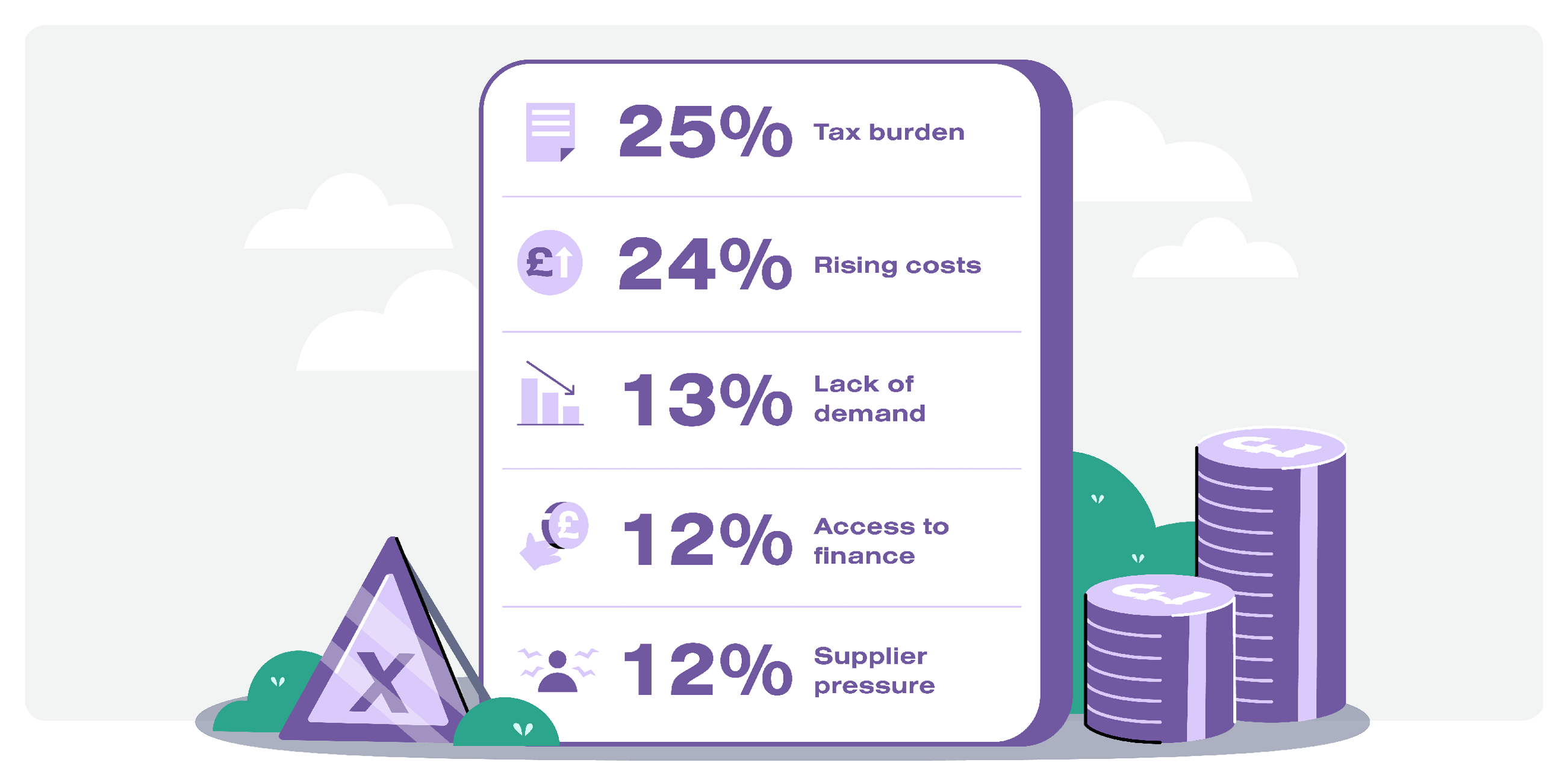
Rising costs continue to shape business decisions, with energy costs, wages, supplier pricing, and tax obligations all reducing available capital. These pressures limit investment and affect growth plans.
Many businesses delay hiring, reduce spending, or postpone expansion as a result. When costs increase, access to finance can become important for maintaining stability.
Why does cash flow remain a key priority?
Cash flow plays a critical role in business performance. Many SMEs prioritise improving cash flow before investing in growth. Without a stable cash flow, it becomes increasingly difficult to manage costs or act on new opportunities. This creates a cycle where limited flexibility can affect long-term business growth. Planning ahead helps your business maintain control and respond more effectively to market changes.
How are SMEs expectations of lenders changing?
SMEs now expect faster and more flexible lending options. Many businesses prefer digital applications that reduce delays, as well as flexible repayment terms to help match funding to cash flow. These expectations reflect how modern businesses operate. Speed and simplicity now play a key role in funding decisions.

What do these trends mean for your business?
The research highlights a clear message: access to finance affects how quickly your business can respond. When funding is available without delay, you can respond to opportunities as they arise. This can allow your business to invest, expand, or manage unexpected costs without disruption.
It gives your business the ability to move forward with confidence, even in changing conditions. Businesses that can access funding quickly place themselves in a stronger position to grow.
How was this SME finance research conducted?
Lovey commissioned Atomik Research to survey 504 UK-based SME owners across the retail, manufacturing, hospitality, and construction sectors. The research took place between December 2025 and January 2026. This approach ensures the findings reflect real business experiences across the UK.
Download the full SME Finance report
This article provides a summary of Lovey’s research. The full report provides a more detailed examination of SME finance trends, including sector insights, regional analysis, and borrowing behaviour.
Download the SME Finance Outlook report to understand how these trends affect your business.