

Andy Burnham took office as Prime Minister on the 20th July, 2026, at a time of continued cost pressure for small businesses across the UK. At Lovey, we lend to SMEs every day, so Andy Burnham’s policies for businesses sit close to the work we do. This blog sets out what he has announced, what his government has promised, and what it means for your business right now.
Who is Andy Burnham and why do his policies affect your business?
Before the role of Prime Minister, Burnham served as Mayor of Greater Manchester, where he introduced the Good Employment Charter, a scheme that rewards local employers who invest in fair pay, secure contracts, and staff wellbeing. His early moves as Prime Minister build on this record, with a focus on business costs, public procurement rules and consumer protection. If you run a small or medium-sized business in the UK, these three areas are where you could feel the change first.

What has Andy Burnham announced on business rates?
Business rates are at the top of the list of important changes for most SME owners, and the new government has already acted for the hospitality sector. On the 23rd of July, Burnham’s government confirmed a 20% cut to business rates for pubs, clubs and small live music venues, a change GOV.UK says will save the typical pub around £1,100 next year.
Learn more about the SME finance insights for 2026
Are wider high street rates reforms on the way?
Ministers have proposed broader high street relief too, including raising rate thresholds and removing rates for some small shops and cafés. None of these wider reforms are confirmed, so it’s worth tracking announcements ahead of the Autumn Budget, where Retail Week reports the Chancellor is expected to set out more detail on the cost of doing business.
What changes are planned for government contracts and procurement?
If your business bids for public sector work, procurement rules are shifting under Andy Burnham. The government has doubled the bidding credit given to contractors who deliver measurable social value to local communities, giving community-focused suppliers a stronger position when contracts are awarded. Alongside this, The Times reports that the Prime Minister has said companies offering above-minimum-wage pay, flexible working and trade union access will be prioritised for public sector contracts.

Is Andy Burnham’s government cracking down on rip-off business practices?
Yes. In August 2026, Andy Burnham promised a crackdown on subscription traps, misleading sales tactics and hidden ticket booking fees, according to The Guardian. For businesses built on transparent pricing, this creates a more level playing field. If your business uses subscription models or add-on fees, review your terms now, since enforcement is expected to follow once the new rules take effect.
What does the Good Employment agenda mean for your business?
Andy Burnham’s Good Employment approach rewards businesses investing in workforce engagement and stable contracts, an extension of the framework he built in Greater Manchester. Under this agenda, businesses offering secure hours, fair pay and genuine flexibility stand to gain an edge, both in public contract bids and in the wider labour market, where staff retention remains a real cost pressure for SMEs.
Read more on the cash flow problems UK SMEs face
Will your business pay more tax under Andy Burnham’s government?
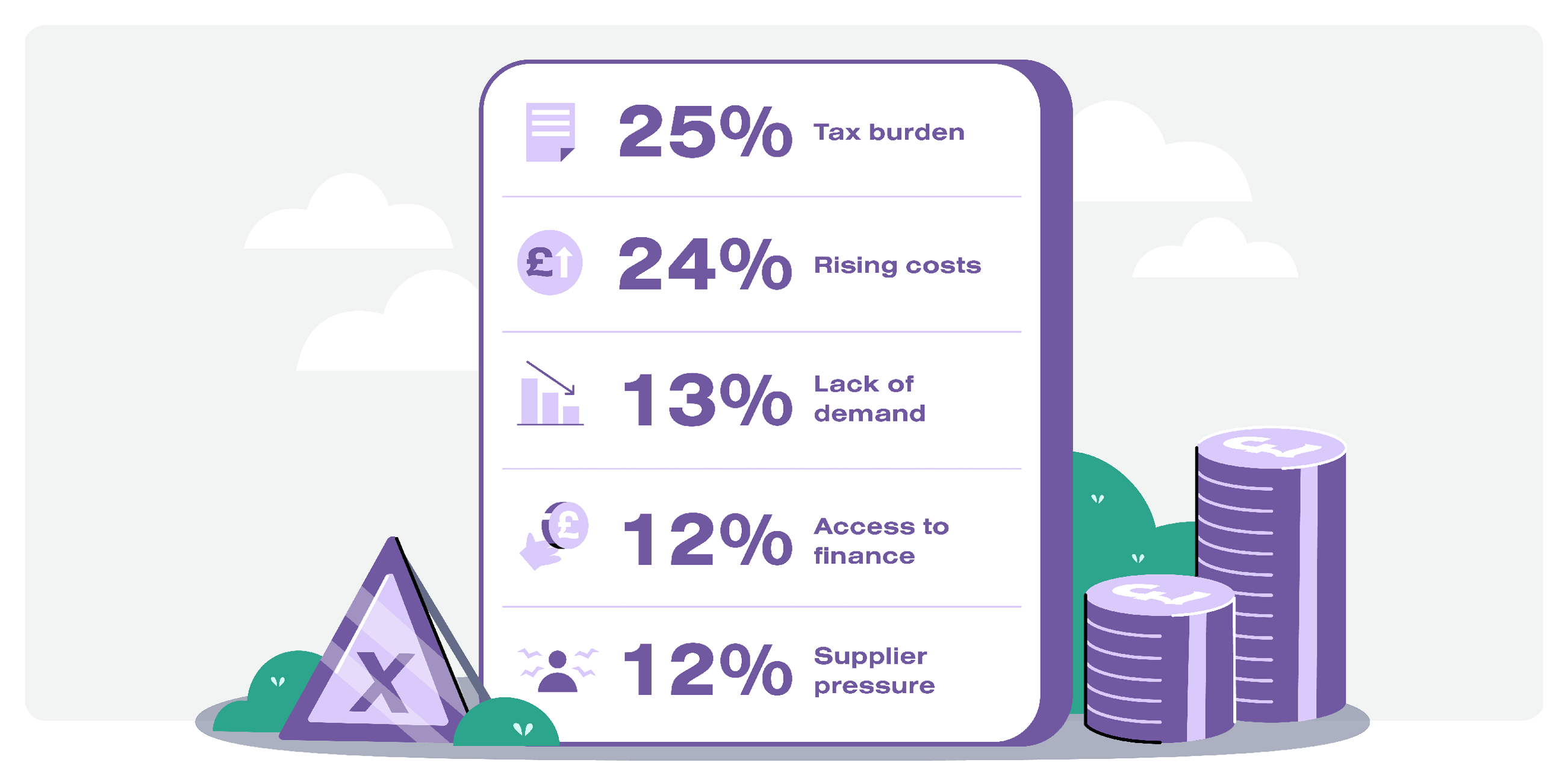
Business rates cuts sit alongside a separate warning on tax. The Telegraph reports economists expect tax rises of around £25bn under Andy Burnham’s government, a figure raising concern among business owners planning for 2027.
What do UK SMEs think of Andy Burnham so far?
A survey of SME owners showed cautious optimism from lender iwoca.
38% of SMEs view the current government’s approach to business positively. In the North West, where Burnham was previously Mayor, support runs higher still, at 51%.
SME owners have also been direct about priorities. Cutting business rates ranks top, named by 39% of respondents, followed closely by lower employer National Insurance Contributions and reduced regulation, from 38% of SME owners. Within the surve, 54% say ongoing political instability threatens their business more than any single policy decision.
For a full breakdown of how UK SMEs feel about funding, costs and growth this year, download Lovey’s free 2026 SME Outlook Report.
What should your business do next?
Keeping track of Andy Burnham’s policies for businesses is only useful if you act on what you find. Policy under a new government moves fast, and much of it depends on decisions still to come in the Autumn 2026 Budget, which will be released on Wednesday the 28th of October 2026.
Whatever the policy outcome, cash flow pressure doesn’t wait for budget announcements. Check your funding options with Lovey if rising costs or delayed rates relief are squeezing your business now.
Lovey’s unsecured business loans allow you to access £1,000 to £1 million, and it takes under 60 seconds to check what you qualify for. There's no impact on your credit score when enquiring, and it’s just a few easy-to-answer questions. Get a decision in an hour and receive funds the same day.