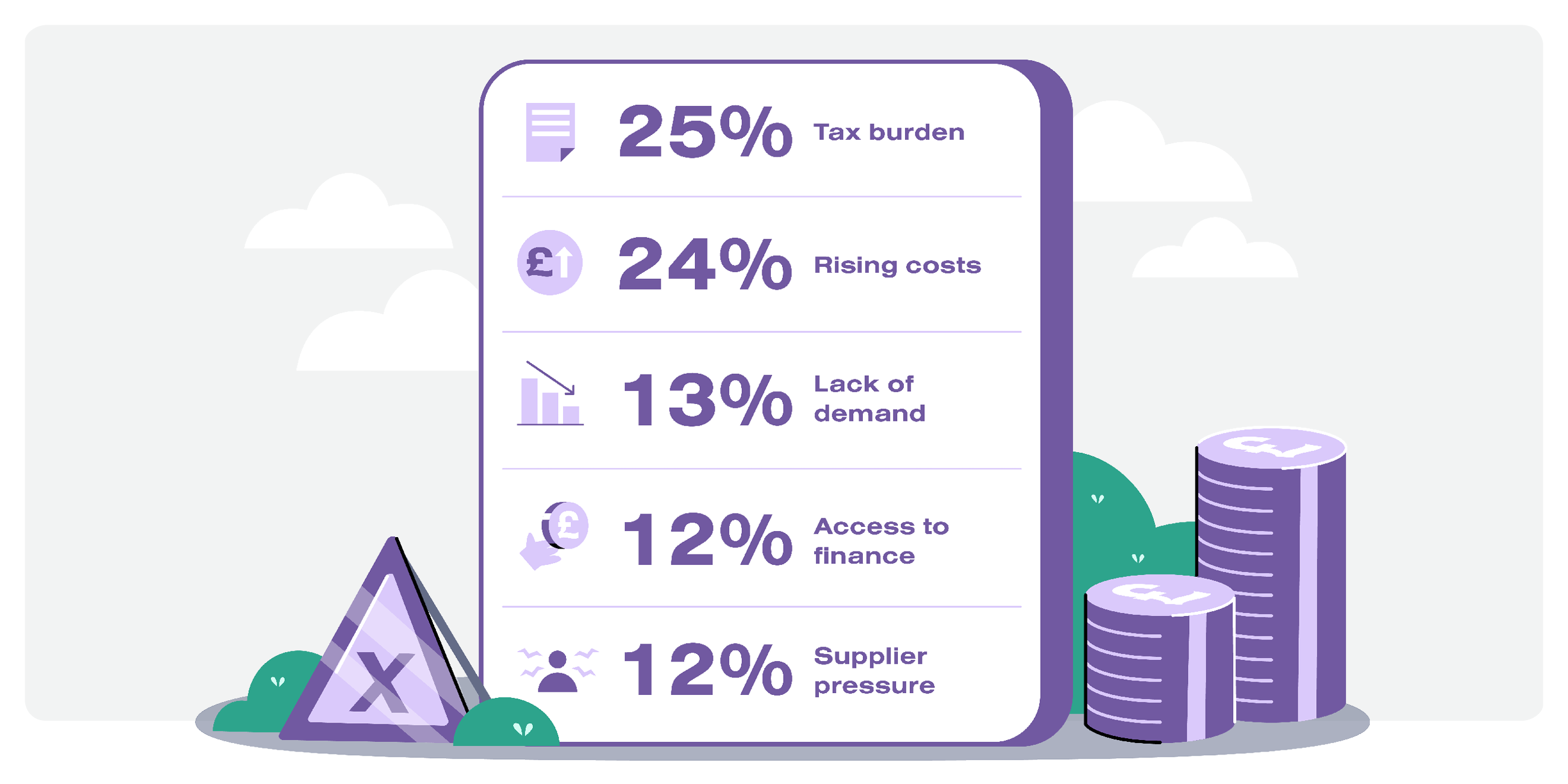
TLDR Summary:
The UK Autumn Budget 2026 brings changes that could affect SMEs across the country, particularly through higher staffing costs and changes to business rates. The minimum wage increase is relevant to employers across sectors, while eligible retail, hospitality and leisure businesses could benefit from a higher threshold for full small business rates relief. The Budget also includes changes to tax rules and new support for founders.
This guide explains the key announcements, what they could mean for your business and what to consider when planning for the year ahead.
The minimum wage increase could affect SMEs’ staffing costs, particularly businesses in sectors such as retail and hospitality where many employees may be paid at or near minimum wage.
The National Living Wage for workers aged 21 and over rises 3.9% to £13.21 an hour. The rate for workers aged 18 to 20 rises by the same 3.9% to £11.27.
For SMEs, the impact will depend on your workforce and current pay rates, so it is worth reviewing your staffing budget and cash-flow forecasts to account for the change.
When planning for the year ahead, consider the wage increase alongside other operating costs, including rent, energy and business travel.
If you need help managing your cash flow, click to learn more about how Lovey’s fast, small business loans can help you.
“The 3.9% rise in the National Living Wage is right in principle, but for labour-intensive businesses it will cancel out much of the rates saving. Owners should model both changes together rather than celebrate one in isolation.”
- Kai Hunter, Chief Operating Officer and Chair, Lovey

The Budget includes business rates relief for businesses in the retail, hospitality and leisure sector. The threshold for small business rates relief rises from £12,000 to £18,000. The government says this will take another 70,000 businesses out of business rates. Other businesses in these sectors will have their rates frozen in real terms.
For eligible small businesses, paying less in business rates could free up cash for other priorities, such as hiring staff, investing in equipment or expanding into new premises.
To find out where you stand, use the business rates valuation service on the GOV.UK website here and check whether your business qualifies for the revised relief.
The Budget extends the reduction in VAT on electricity from 5% to zero until July 2027. The measure is part of a wider package intended to help households with energy costs.
The supplied coverage does not confirm that these measures will deliver equivalent savings on commercial energy bills. If you run a business, check with your energy supplier how the announced changes affect your contract and costs rather than assuming your bills will fall.
The 5p cut in fuel duty is extended until July 2027. The higher mileage rate rises from 25p to 35p a mile. The increase to the standard mileage rate becomes permanent. If you or your staff claim mileage for business journeys, update your expense rates.
The Budget gives local leaders greater control over the money raised in their areas. Mayors will receive 20% of local business rates revenue from next year, alongside a share of income tax receipts by 2028. By the end of the decade, local areas are expected to retain 100% of the business rates they collect. The government describes this approach as fiscal devolution.
For businesses, the practical impact will depend on how local authorities use their funding. The supplied coverage does not specify whether these changes will increase or reduce individual business rates bills, so watch for updates from your local council.
From 2028, local authorities will also have the option to introduce overnight visitor levies, according to the BBC. If you run a hotel, B&B or holiday let, keep an eye on local announcements to see whether a levy is planned in your area and how it could affect your business.

The Budget includes several measures aimed at people starting, growing or eventually selling a business.
Trading allowance: The trading allowance rises from £1,000 to £3,000. This could allow people with eligible trading income to earn more before paying tax on that income. The exact treatment depends on the applicable rules, so check how the allowance applies to your circumstances.
Young entrepreneurs: A new allowance will cover a year of living costs for eligible young founders while they develop their business ideas. The supplied coverage does not specify the eligibility criteria or how to apply.
Female founders: A new scale-up programme for female founders was announced. The British Business Bank will also double its commitments to women-led businesses and funds to £200m.
Founders’ relief: Founders of qualifying successful businesses will be eligible for a 10% tax rate on lifetime gains of up to £10m under the announced relief. The measure is intended to reward entrepreneurship and support business growth. The detailed eligibility rules will determine who can benefit, so check the guidance before making plans around a future business sale.
Business Asset Disposal Relief: The threshold falls from £1m to £500,000. The Times reports that three in four people who claim the relief will see no change. If you are considering selling your business, check the revised rules and eligibility requirements with a qualified adviser before making decisions. Check GOV.UK before you plan around any of these measures.
The Budget includes additional announcements affecting particular industries.
If your business operates in one of these sectors, check the detailed rules and implementation dates before changing your prices, budgets or operating plans.
What else changes for your sector?
The Budget includes additional announcements affecting particular industries.
If your business operates in one of these sectors, check the detailed rules and implementation dates before changing your prices, budgets or operating plans.
Self-assessment changes from 2029. If you are a sole trader or partner, you will pay tax in smaller, more regular amounts instead of large lump-sum bills. This smooths your cash flow, but you will need to budget monthly or quarterly rather than once a year. HMRC gets more funding and stronger powers to collect overdue tax from people who ignore repeated contact. If you owe tax, contact HMRC early.
If you need help paying your tax bill before it’s due, Lovey can help with our VAT loans - learn more here.
Rules on taking profits out of a company are changing so people are taxed consistently. Genuine commercial deals and family business succession stay protected. If you run a limited company, watch how the new rules treat salary and dividends, and speak to your accountant once the details are published.
Tax rates on property income and savings interest rise by two percentage points from April 2027. Tax rates on employment income and dividends stay the same.
“My advice to small business owners is simple: plan for a slower 2027. Build a cash buffer while trading allows, review your cost base in light of the wage increase, and treat finance as a tool for resilience and investment rather than a last resort.”
Kai Hunter - COO at Lovey & Chair
Start by reviewing the announcements most likely to affect your business directly.
The Budget will affect businesses differently, depending on their sector, workforce and financial circumstances. Understanding which measures apply to you can help you make informed decisions about the year ahead.
If you need funds to manage rising costs or to invest in growth, an unsecured business loan from Lovey could be just what you need.
Check your eligibility with Lovey to understand your options.
Editorial note: This article summarises the Budget announcements reported in the BBC, The Guardian and The Times coverage shared online, Some measures still require detailed guidance on eligibility and implementation. Check the relevant official information before making financial or tax decisions.